Industrial Floor Coating Systems Explained
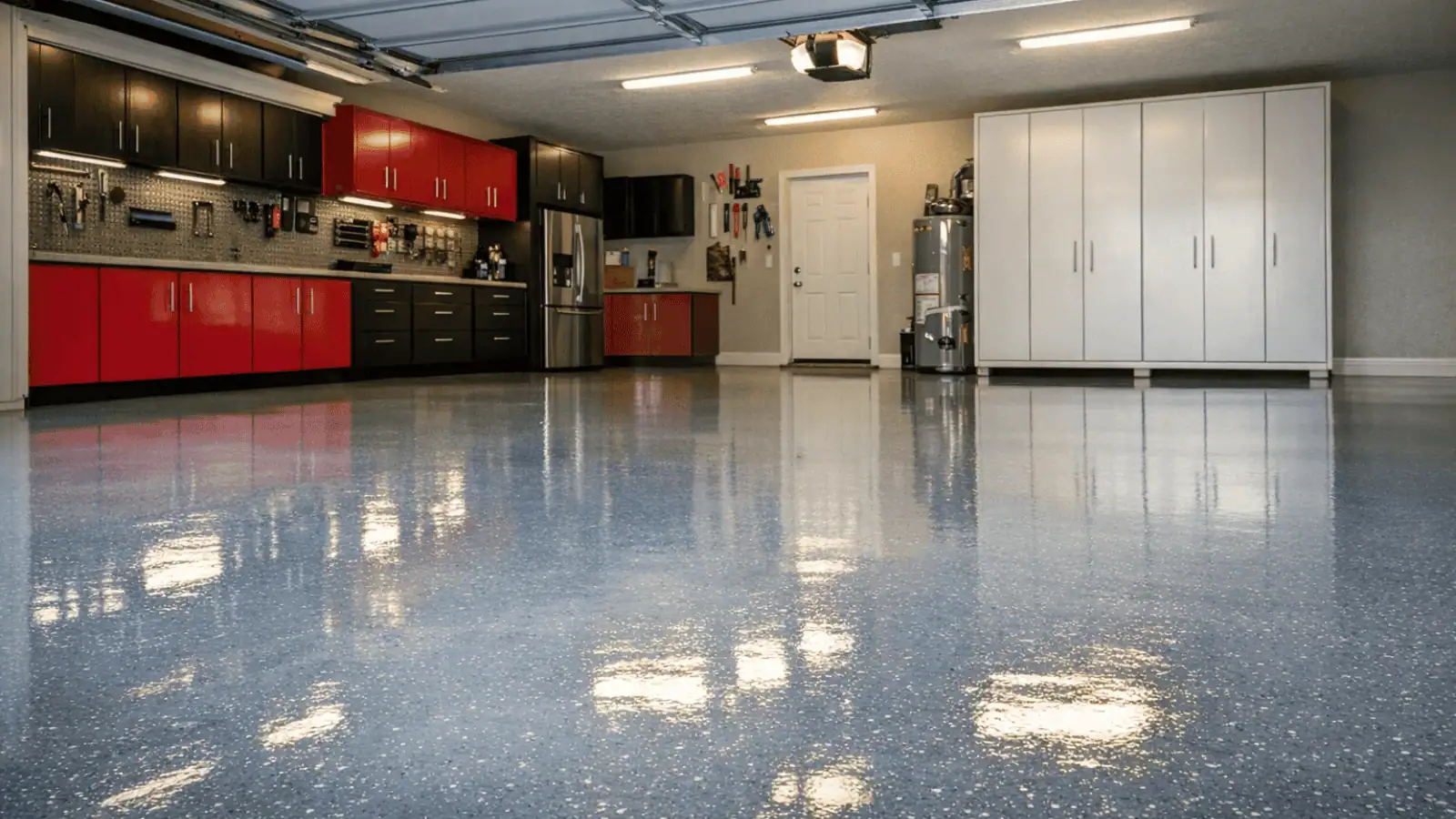
Understanding industrial floor coating systems starts with knowing what they are designed to do. In Knoxville, TN, industrial spaces often deal with forklift traffic, heavy equipment, moisture, spills, abrasion, and day-to-day wear that bare concrete cannot handle well for long. A properly selected coating system can make a floor easier to clean, more durable, safer to use, and better suited for demanding operations.
Industrial floor coating systems are not one-size-fits-all. Some are built for warehouses and distribution spaces. Others are better for manufacturing, service bays, food-related environments, or facilities that need a cleaner, brighter, more uniform surface. The right system depends on the condition of the concrete, the amount of traffic, chemical exposure, downtime requirements, and long-term maintenance goals.
At Knoxville Surface Coatings, we connect customers with independent local contractors who handle coating projects for commercial and industrial settings. If you are comparing options, this guide explains the main systems, where each one works best, and what to think about before moving forward.
What Industrial Floor Coating Systems Usually Include
When people hear the term “industrial coating,” they often think of a single product rolled over concrete. In reality, a system usually involves multiple layers working together. That can include concrete preparation, crack or surface repair, a primer, a build coat, aggregate or flake if needed, and a topcoat chosen for durability and maintenance performance.
The reason systems matter is simple: the floor has to perform as a whole. A strong topcoat will not fix poor surface prep, and a thick build coat will not last if moisture problems or concrete damage are ignored. In industrial environments, the substrate condition and use case often matter just as much as the coating material itself.
- Surface preparation to help the coating bond correctly
- Repair of cracks, pits, and weak concrete areas
- Base or build coats for strength and coverage
- Topcoats for wear resistance, cleanability, and appearance
- Optional texture or slip-resistance depending on use
For a broader look at commercial surfaces and applications, you can also review commercial floor coatings in Knoxville.
Common Types of Industrial Floor Coatings in Knoxville, TN
The most common industrial floor systems are epoxy, polyaspartic, polyurea, and specialty resurfacing or repair-based systems. Each has strengths, and each fits different project goals.
Epoxy Systems
Epoxy is widely used because it can create a tough, seamless-looking surface with good build thickness. It is often a strong fit for facilities that want durability, improved appearance, and easier cleaning. Epoxy systems are commonly considered for warehouses, light manufacturing, storage areas, and various commercial interiors.
Polyaspartic Systems
Polyaspartic coatings are often chosen when faster return to service matters. They can be useful for projects where downtime needs to be minimized. They are also often used as topcoats because of their wear performance and finish quality.
Polyurea Systems
Polyurea is known for fast cure times and demanding performance applications. In the right setting, it can be a strong option for facilities that need speed and toughness, but it is not automatically the best choice for every slab or every budget.
Resurfacing-Based Systems
Some industrial floors are too worn, pitted, or uneven to coat without additional prep and resurfacing work. In those cases, the best system may begin with repairs or resurfacing before the final protective coating is installed.
How to Match the System to the Facility
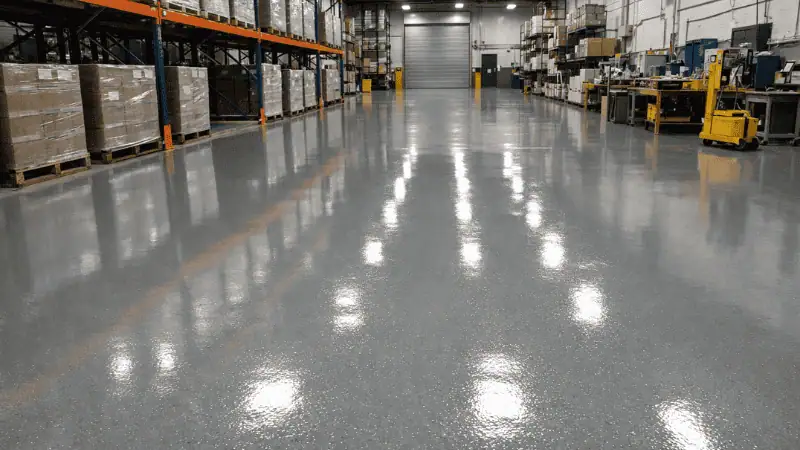
The best industrial floor coating system depends on how the space is actually used. A warehouse with pallet movement has different needs than a machine shop, showroom, or service facility. That is why professional evaluation matters before choosing a system based on price alone.
Key questions usually include:
- How much vehicle or forklift traffic does the floor handle?
- Will the surface be exposed to water, oils, or chemicals?
- Does the facility need slip resistance?
- How much downtime is available?
- Is the current concrete sound, or does it need repair first?
- Is appearance important for customers, staff, or inspections?
A clean, durable floor can help a facility look more organized while also making routine maintenance easier. That matters in industrial areas throughout Knoxville as well as nearby markets like Farragut, Maryville, and Oak Ridge, where businesses often want surfaces that can hold up to regular use without constant patching or dust issues.
Why Concrete Preparation Is a Big Part of the System
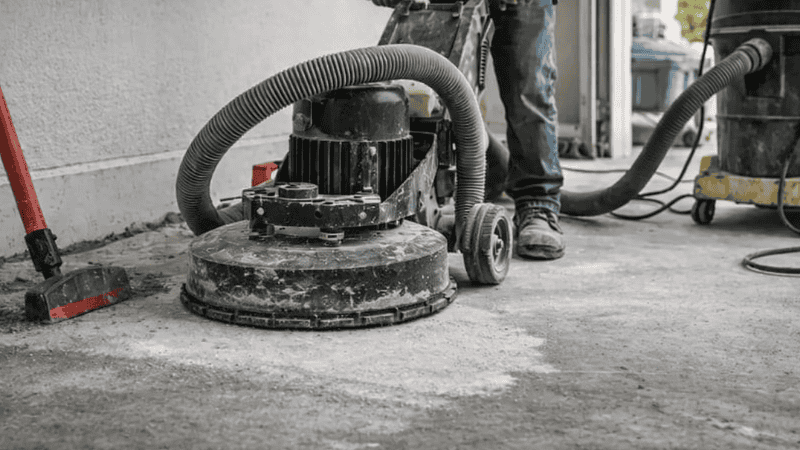
One of the biggest mistakes in industrial flooring is focusing only on the coating and not enough on the slab. Prep is what helps the system bond and perform. If the concrete has contamination, moisture issues, failed previous coatings, or surface weakness, those problems need to be addressed first.
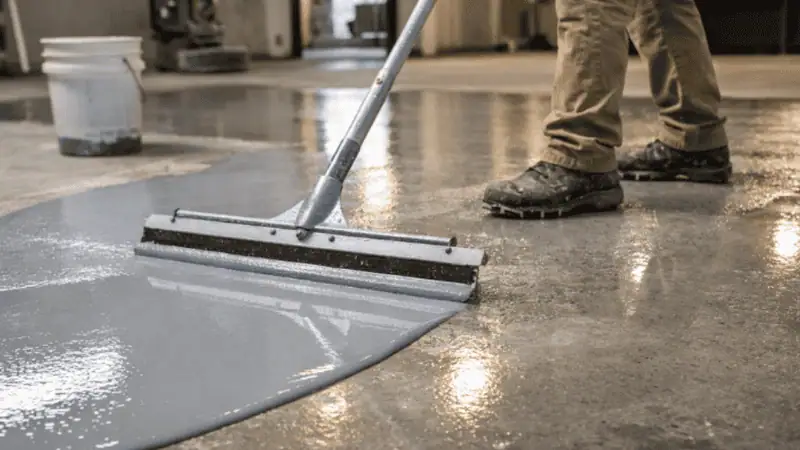
Proper preparation can include grinding, cleaning, repairing damaged areas, and removing weak or peeling material. In many projects, prep is what separates a floor that lasts from one that fails early. That is especially important in industrial settings where heavy traffic exposes every weakness faster than a light-duty environment would.
Benefits of a Well-Chosen Industrial Coating System
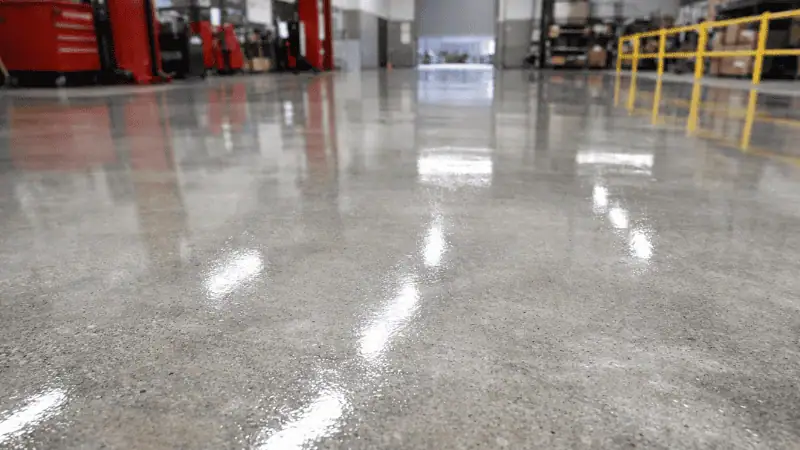
When the right system is matched to the right environment, the advantages can be practical and immediate. Industrial coatings can improve durability, reduce concrete dust, support easier cleaning, and give a facility a more finished, professional appearance. They can also help define work zones and create a more uniform surface across worn concrete.
- Improved resistance to wear and daily traffic
- Easier sweeping and maintenance than bare concrete
- Cleaner, brighter appearance for workspaces
- Better fit for operations that need dependable surfaces
- Long-lasting materials when the system is properly selected
For many owners and managers, the goal is not just a nicer-looking floor. It is a surface that supports operations, reduces maintenance frustration, and holds up better over time.
When to Get Help Comparing Options
If you are trying to sort through industrial floor coating systems, it helps to talk with experienced professionals who can evaluate the slab and the use case. That is especially true if the floor has damage, moisture concerns, or demanding traffic conditions. The lowest-cost option is not always the best long-term value when performance matters.
Need help in Knoxville, TN? Call Now or Get Free Quote to get connected with a local contractor for industrial or commercial floor coating options. You can also visit the homepage or browse more articles in the Epoxy Flooring Guide.
FAQ
Are industrial floor coatings only for warehouses?
No. They can also be used in manufacturing spaces, service areas, storage facilities, and other commercial environments where bare concrete is hard to maintain or wearing down too quickly.
Are coated floors easier to clean?
Yes. Coated surfaces are generally easier to sweep and maintain than bare concrete.
Do you serve areas outside Knoxville?
Yes. We help connect customers in nearby areas like Farragut, Maryville, and Oak Ridge.
How do I get a quote?
Call or submit a request online to get matched with a local contractor who can provide an estimate.
Knoxville Surface Coatings is a referral service that connects customers with independent local contractors. We do not perform installation services.