
What Causes Hot Tire Pickup on Epoxy Floors?
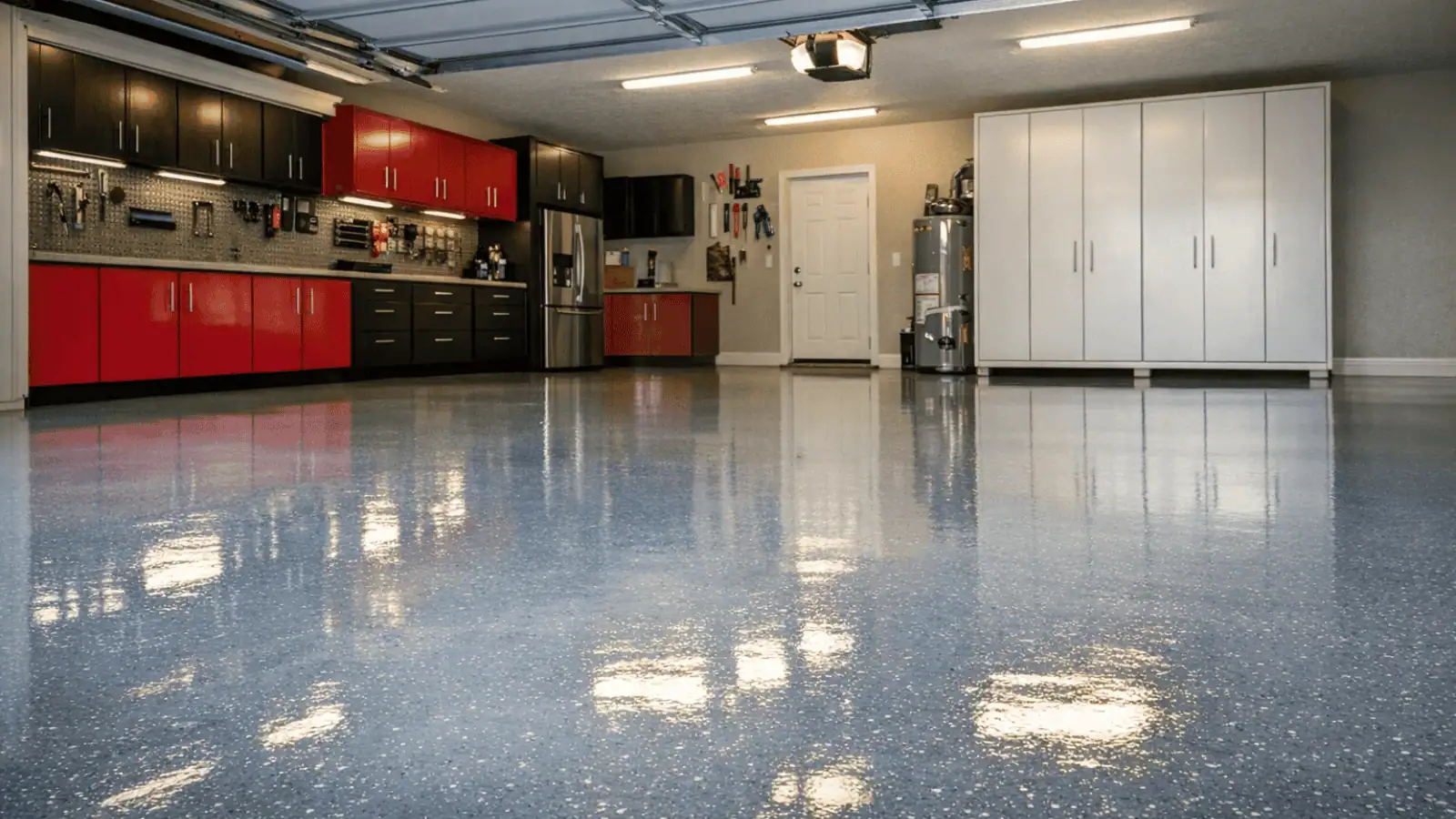
Hot tire pickup on epoxy floors happens when warm vehicle tires soften the bond between the coating and the concrete, then pull the finish loose as the tire rolls away. In Knoxville, TN, this is one of the most common complaints homeowners have with older garage coatings, especially when the floor was installed with poor prep, low-grade materials, or not enough cure time. It often starts as small peeling spots where the front tires usually sit, then gets worse with repeated heat, pressure, and moisture exposure.
For many property owners, the problem is not just the tire heat itself. It is usually a combination of surface prep issues, trapped moisture, weak adhesion, bargain materials, or a coating system that was never designed for daily vehicle traffic. If your floor is already showing peeling, bubbling, or lifting, it may help to compare the symptoms with why epoxy floors peel (and how to prevent it) and review broader options on the Epoxy Flooring Guide.
What hot tire pickup actually means
Hot tire pickup is the lifting or peeling of a floor coating caused by repeated contact with heated vehicle tires. After driving, tires hold heat from friction and road temperature. When that hot rubber sits on a coated garage floor, it can stress a weak bond line. Once the car moves, the tire can pull the coating up with it.
This issue shows up most often in home garages, but it can also happen in workshops and light commercial spaces where vehicles or rolling equipment remain parked in the same place every day. The visible result is usually a patchy failure pattern under the tires rather than widespread wear across the whole floor.
It is also important to note that hot tire pickup is usually a symptom of coating failure, not the sole cause. A properly installed, durable system should be able to handle routine tire heat far better than a thin or poorly bonded coating.
Why it happens on some floors and not others
The biggest reason hot tire pickup happens is weak adhesion. If the coating does not bond deeply and evenly to the concrete, heat and pressure from the tire expose that weakness quickly. In many garages, the floor may look fine at first, then fail once summer temperatures rise or daily parking habits repeat the same stress over and over.
Common causes include inadequate grinding or prep, contaminants left on the slab, moisture vapor moving up through the concrete, or applying a coating before the surface is truly ready. Some lower-cost DIY kits are also thinner and less durable than professional-grade systems, which can make them more vulnerable to failure under vehicle traffic.
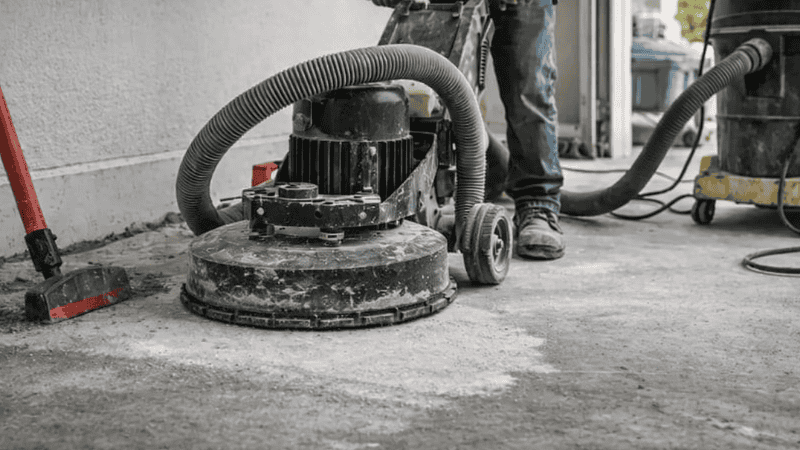
Another overlooked factor is cure time. If a vehicle is parked on the surface too soon, the coating may not have fully hardened. That can leave the finish more likely to soften, mark, or detach where tires create the most pressure. This is one reason many homeowners ask how long before you can park on epoxy before putting the garage back into use.
Top causes of hot tire pickup on epoxy floors in Knoxville, TN
In Knoxville, TN, seasonal heat, humidity, and garage moisture can make weak installations fail faster. A floor that seems fine during cooler months may begin lifting once warm weather returns and vehicles track in heat, water, and road residue.
Poor surface preparation: If the concrete was not mechanically prepared, the coating may sit on top instead of bonding into the surface profile.
Moisture in the slab: Vapor pressure from below the concrete can reduce bond strength and contribute to peeling under tire pressure.
Oil, dust, or contaminants: Even small amounts of residue can create weak spots that later fail in parked-tire zones.
Thin or low-quality coating systems: Some products are simply not built for repeated hot tire exposure.
Insufficient cure time: Parking too early can damage the coating before it reaches full strength.
Existing concrete issues: Cracks, laitance, soft concrete, and past repairs can all reduce long-term adhesion.
These same problems often show up with other coating failures too. If your slab has visible cracking or surface weakness, reviewing why your garage floor cracks (and what to do) can help you understand whether the issue started in the concrete itself.
How to reduce the risk before it starts
The best way to prevent hot tire pickup is to start with the right system and the right prep. A garage floor coating should be chosen for actual vehicle use, not just appearance. Material quality matters, but preparation matters just as much.
Good prevention usually includes mechanical concrete prep, moisture evaluation where needed, realistic cure times, and a coating system matched to the traffic level of the space. Homeowners comparing materials often benefit from reading Garage Floor Coating vs Epoxy: What’s the Difference? or Epoxy vs Polyaspartic vs Polyurea (Which Is Best?) before choosing a direction.
Do not park vehicles on a freshly coated floor too early.
Choose a system designed for hot tire resistance and daily garage traffic.
Make sure the slab is clean, dry, and properly profiled before installation.
Address concrete damage before coating over it.
Use experienced professionals who understand local slab conditions.
When repair may work and when replacement makes more sense
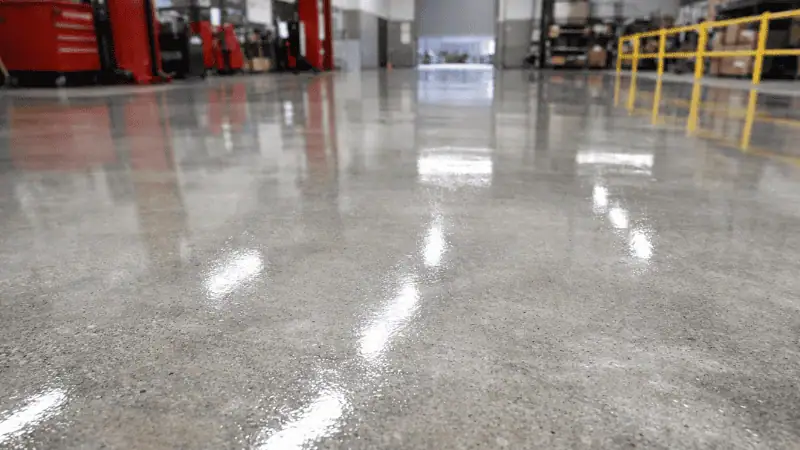
If the damage is limited to a few small tire spots, a local repair or partial recoat may be possible. That said, repair only makes sense when the rest of the system is still well bonded. If peeling is spreading, bubbling is visible, or the coating was poorly installed across the whole slab, a spot fix may only buy time.
In many cases, the better long-term choice is removing the failed material and starting over with a more durable system. This is especially true in garages with repeated daily parking, heavier vehicles, or ongoing moisture issues. A referral service like Knoxville Surface Coatings can help connect homeowners with local contractors who can evaluate whether repair, recoat, or full replacement is the smarter investment.
For owners in Farragut, Maryville, Oak Ridge, and nearby areas, the right answer often depends on how the floor was originally installed, how long the failure has been developing, and whether the concrete itself is in good condition.
Need help with a garage floor issue in Knoxville, TN?
If you are seeing peeling where your tires rest, do not ignore it. Small failures can spread quickly once moisture and traffic keep working under the coating. Knoxville Surface Coatings helps connect homeowners and businesses in Knoxville, TN with independent local contractors who can assess the floor condition, explain coating options, and provide a quote.
Call Now or Get Free Quote to get matched with a local contractor. You can also return to the homepage for service options or visit Garage Floor Coatings in Knoxville, TN for more information about garage-focused systems.
Frequently asked questions
Can hot tire pickup happen even on a newer floor?
Yes. If the floor was not properly prepared or cured, hot tire pickup can happen relatively early. Newer coatings are not always better if installation quality was poor.
Are coated floors easier to clean?
Yes. Coated surfaces are generally easier to sweep and maintain than bare concrete.
Do you serve areas outside Knoxville?
Yes. We help connect customers in nearby areas like Farragut, Maryville, and Oak Ridge.
How do I get a quote?
Call or submit a request online to get matched with a local contractor who can provide an estimate.
Knoxville Surface Coatings is a referral service that connects customers with independent local contractors. We do not perform installation services.