Why epoxy bubbles or blisters
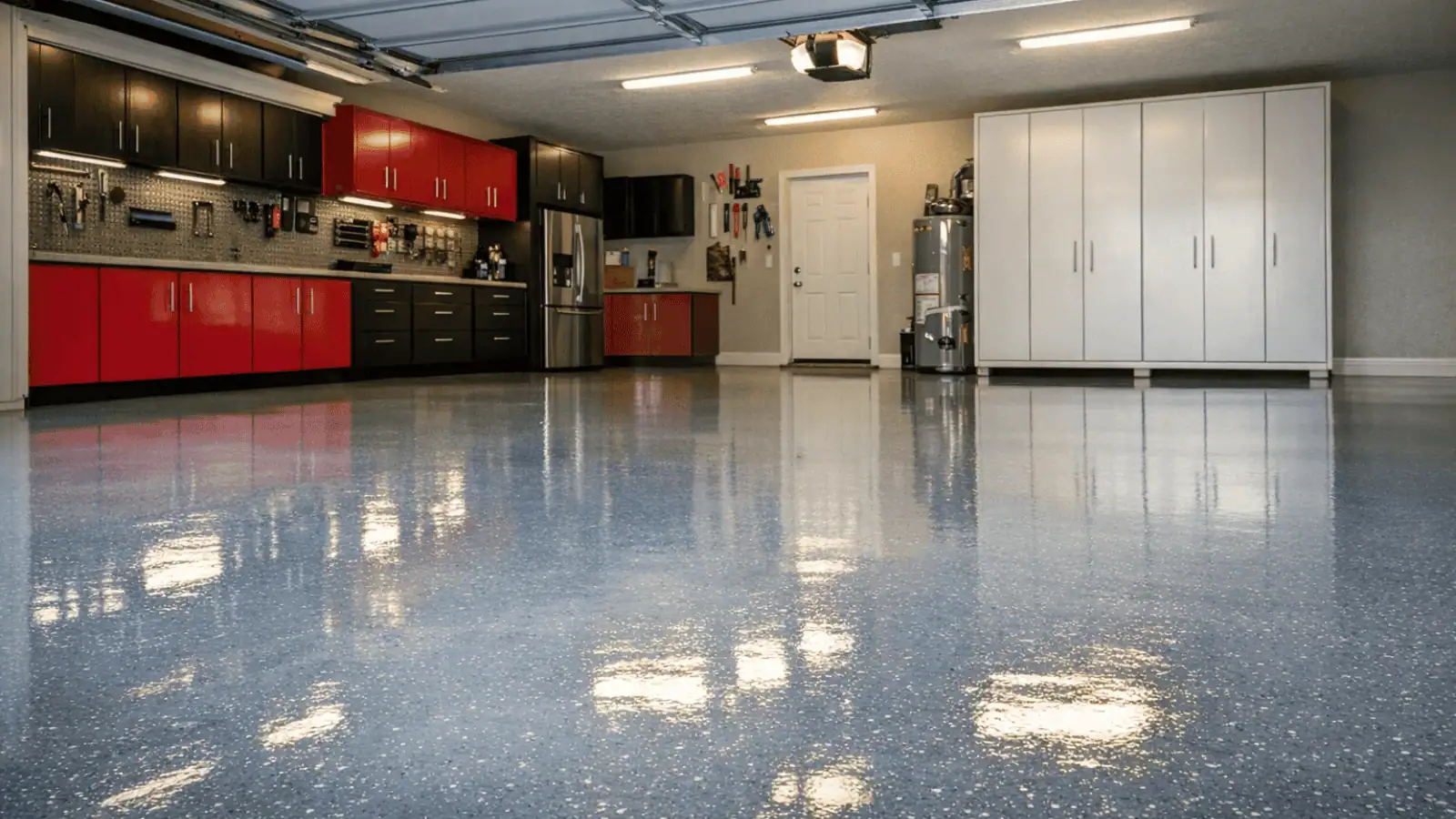
Epoxy bubbles or blisters usually point to a prep, moisture, or installation issue. For property owners in Knoxville, TN, these defects are more than cosmetic. They can signal weak adhesion, trapped vapor, or contamination under the coating that may shorten the life of the floor.
If you are seeing raised spots, pinholes, or blistering on a garage, patio-adjacent slab, basement, or commercial floor, it is smart to address the cause early. Knoxville Surface Coatings connects homeowners and businesses with local contractors who can evaluate the floor, explain the likely cause, and recommend a durable repair path.
What epoxy bubbling or blistering usually means
When an epoxy floor bubbles or blisters, air, moisture, or contaminants are typically interfering with the bond between the coating and the concrete. In some cases, the issue shows up during installation. In others, it appears later after temperature changes, vehicle traffic, or moisture movement through the slab.
These defects can look different from one floor to another. Some surfaces develop small pinhole bubbles across the top coat. Others form larger raised areas that eventually crack, peel, or wear through.
- Small bubbles may indicate trapped air or poor roller technique.
- Large blisters often suggest moisture vapor or poor surface prep.
- Scattered defects can point to isolated contamination on the slab.
- Widespread failure may mean the floor was coated before conditions were right.
That is why a contractor usually needs to inspect both the coating and the concrete below it before recommending a fix.
Common causes of epoxy bubbles or blisters in Knoxville, TN
In Knoxville, TN, changing humidity, slab moisture, and surface contamination are some of the biggest reasons epoxy coatings fail. The most common causes include:
- Moisture in the concrete: If vapor is pushing up through the slab, the coating can lift or blister.
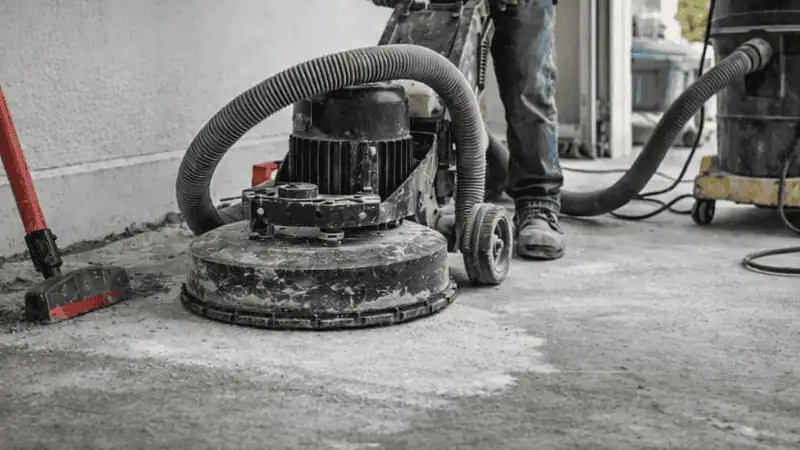
- Insufficient surface prep: Concrete must be cleaned and mechanically prepared so the coating can bond properly.
- Oil, grease, or cleaner residue: Contaminants can block adhesion and create weak spots.
- Application in poor conditions: Temperature and humidity affect cure time and finish quality.
- Air trapped in porous concrete: If the slab is not sealed or handled correctly, air can rise into the coating.
- Low-quality materials or rushed work: Durable, long-lasting materials and proper timing matter.
Floors in garages and workshops are especially vulnerable because they often have years of embedded oil, tire residue, and surface dust. On older slabs, hidden moisture issues can make the problem worse.
Why proper concrete prep matters so much
Most epoxy failures start before the coating is even applied. Prep is what creates a clean, sound surface that allows the coating to bond. Without it, even a floor that looks fine at first may develop bubbles, peeling, or early wear.
Experienced professionals generally check for moisture, remove weak surface material, clean contaminants, and profile the concrete before applying a system. That process is one reason professional installation tends to hold up better over time than rushed or poorly planned work.
For residential and commercial properties alike, prep can include crack repair, grinding, cleaning, and verifying that the slab is ready for coating. Warranty-backed systems are more likely when the floor is evaluated correctly from the start.
Can bubbling epoxy be repaired, or does it need replacement?
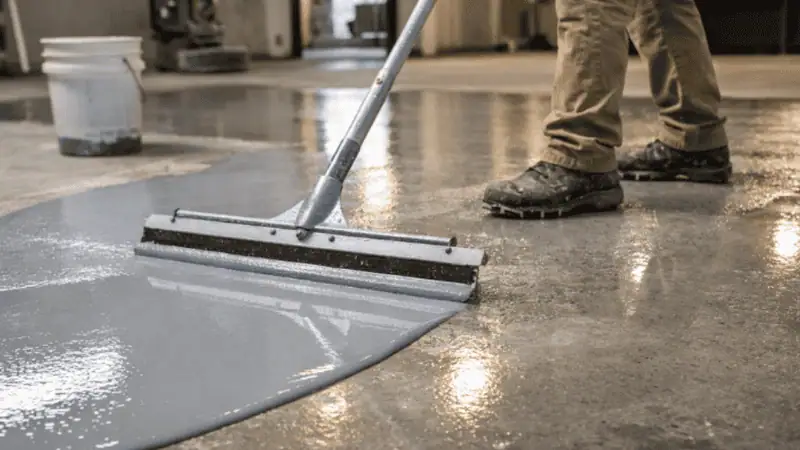
That depends on how widespread the problem is. A few isolated bubbles may be repairable if the surrounding coating is still bonded well. But if moisture or major prep problems caused the failure, spot repairs may not last.
In many cases, a local contractor will determine whether the best option is:
- Grinding and patching small failed areas
- Removing loose material and recoating sections
- Installing a new system after improved prep
- Addressing moisture issues before recoating
The goal is not just to smooth out the defect. It is to correct the reason the bubbles formed in the first place. Otherwise, the same problem can come back.
How to reduce the risk of bubbling before installation
If you are planning a garage or concrete coating project, prevention is usually much cheaper than repair. Asking the right questions before the work starts can help avoid common issues.
- Ask how the slab will be tested and prepared.
- Make sure moisture concerns are addressed up front.
- Choose durable, long-lasting materials suited to the space.
- Confirm the system is appropriate for residential or commercial use.
- Ask about cure times, weather conditions, and traffic limits.
- Work with experienced professionals instead of a rushed install.
Locally owned and operated referral-based companies can help connect you with contractors familiar with common slab issues in Knoxville, as well as nearby areas like Farragut, Maryville, and Oak Ridge.
When it makes sense to have a contractor inspect the floor
You should consider an inspection if the bubbles are growing, the coating feels hollow, or the surface is starting to peel. The same applies if the floor was coated recently and defects appeared quickly.
A contractor can usually tell whether the issue is cosmetic, structural, moisture-related, or installation-related. That can save time and help you avoid putting another coating over a slab that is not ready.
If you are comparing options, you can also review more local guidance on the Epoxy Flooring Guide or explore service pages for garage floor coatings and concrete resurfacing.
Get help with bubbling or blistered epoxy in Knoxville, TN
If your floor is showing signs of blistering, bubbling, or coating failure, getting it checked sooner can prevent a larger repair later. Knoxville Surface Coatings helps connect property owners in Knoxville, TN with local contractors for residential and commercial floor evaluations.
Whether the issue is moisture, prep, or an older failing coating, you can take the next step now. Get Free Quote or Call Now to discuss your floor and get connected with a local contractor.
You can also visit the homepage for an overview of services or go directly to the contact page to request help.
Frequently asked questions
What causes bubbles to appear in epoxy flooring?
Bubbles usually come from trapped air, slab moisture, poor prep, or contaminants on the concrete. The exact cause depends on the floor condition and how the coating was applied.
Can epoxy blisters get worse over time?
Yes. Once adhesion is compromised, traffic, temperature swings, and moisture can cause the defect to spread. Early evaluation can help limit additional damage.
Are coated floors easier to clean?
Yes. Coated surfaces are generally easier to sweep and maintain than bare concrete.
Do you serve areas outside Knoxville?
Yes. We help connect customers in nearby areas like Farragut, Maryville, and Oak Ridge.
How do I get a quote?
Call or submit a request online to get matched with a local contractor who can provide an estimate.
Knoxville Surface Coatings is a referral service that connects customers with independent local contractors. We do not perform installation services.