Why epoxy floors peel (and how to prevent it)
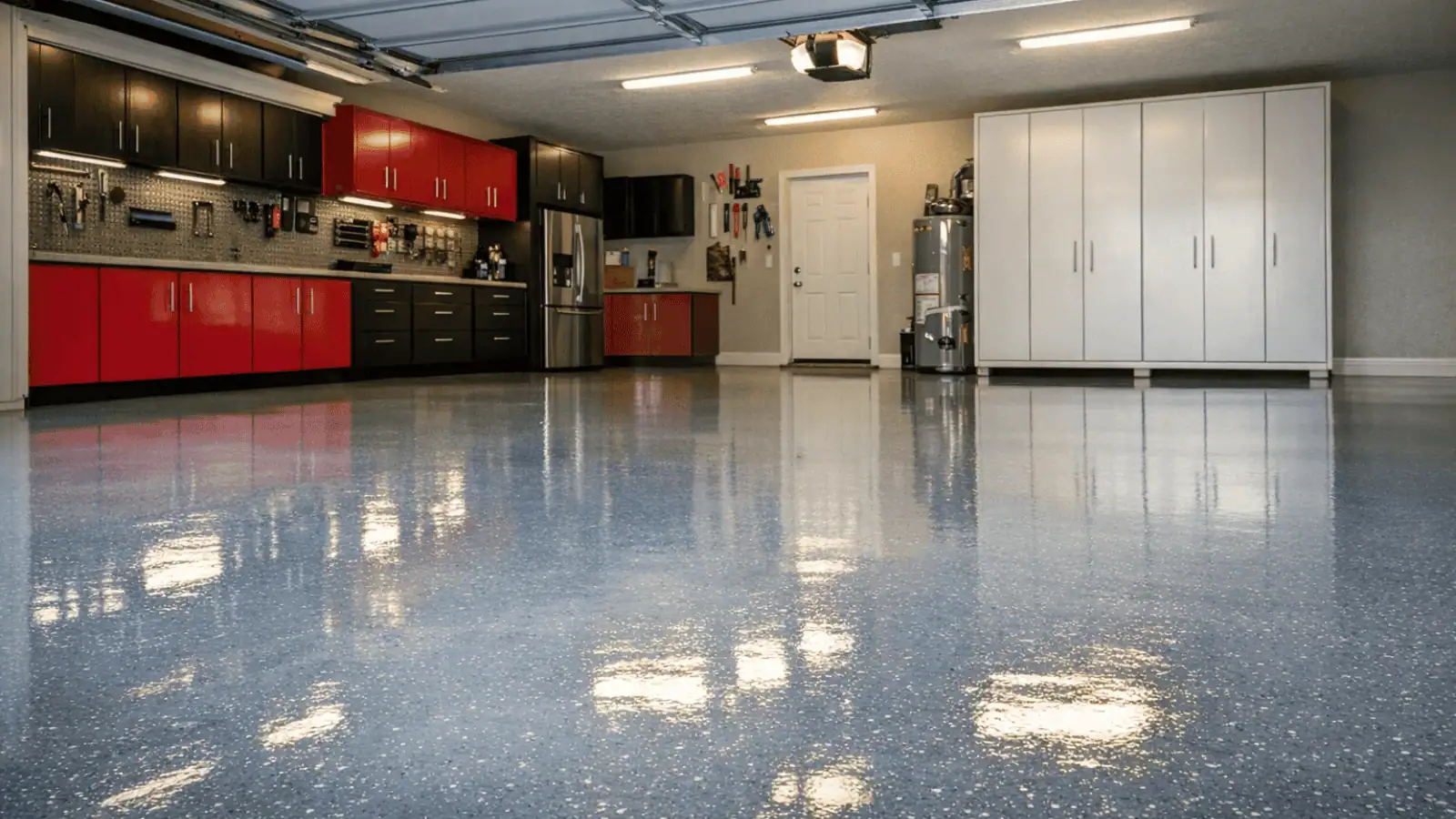
Epoxy floor peeling usually starts when the coating loses its bond to the concrete underneath. In Knoxville, TN, that often happens because of moisture in the slab, poor surface prep, weak concrete at the top layer, or a coating system that was applied under the wrong conditions. Once peeling starts, it tends to spread from tire traffic, foot traffic, temperature swings, and normal wear.
If you are seeing flakes, lifting edges, or bare patches showing through, the problem is usually deeper than appearance alone. A peeling floor can trap dirt, hold moisture, and make the whole surface look worn long before it should. Knoxville Surface Coatings connects property owners with local contractors who can evaluate the cause and recommend the right repair or replacement approach for garages, patios, workshops, and commercial spaces.
For more local flooring resources, visit the Epoxy Flooring Guide, return to the homepage, or get in touch to get matched with a Knoxville-area contractor.
Why epoxy floors peel in Knoxville, TN
Peeling happens when the coating cannot stay anchored to the concrete. In many cases, the top layer comes off in sheets or chips because the bond was never strong enough in the first place. That can be caused by dust left behind during prep, oil contamination, moisture vapor rising through the slab, or a floor that was coated over old damage instead of being properly repaired first.
Knoxville-area properties can see added stress from humidity, seasonal moisture, and garages that stay closed for long periods before sudden heat buildup. On outdoor or semi-exposed concrete, rain, shaded moisture, and freeze-thaw movement can also shorten coating life when the system is not matched to the space.
Most common causes of peeling epoxy floors
Poor concrete preparation
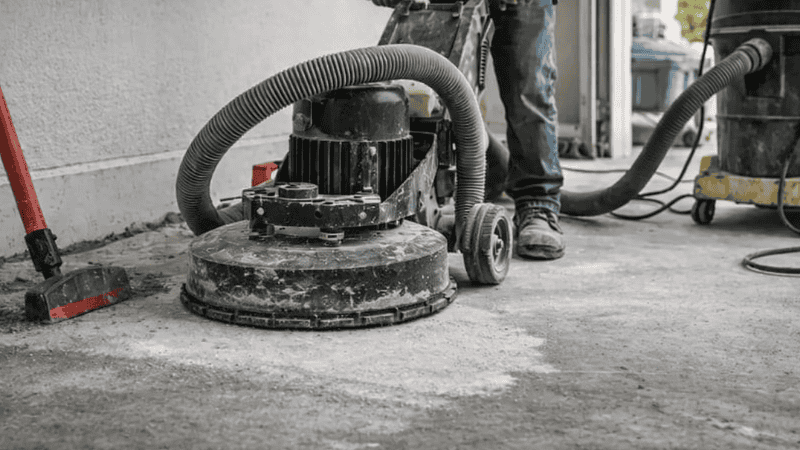
One of the biggest reasons coatings fail is inadequate prep. Smooth concrete, dust, laitance, grease, and previous sealers can all block proper adhesion. A floor may look clean on the surface while still being unready for a coating system.
Moisture coming through the slab
Concrete naturally holds moisture. If vapor pressure pushes upward from below, the coating can bubble, lift, and peel. This is especially important in garages, basements, and ground-level slabs where moisture conditions were not tested before application.
Oil, salt, and chemical contamination
Garage floors often collect motor oil, road salt, cleaners, and other contaminants. If those materials soak into the slab, the coating may not bond evenly. Over time, weak spots start to fail first.
Application in the wrong conditions
Temperature and humidity matter. If a product is applied too cold, too hot, or in damp conditions, curing can be affected. That may leave the floor brittle, soft, or poorly bonded.
Weak or damaged concrete
Sometimes the coating is not actually failing by itself. The top layer of the concrete may be breaking apart underneath it. When that happens, the epoxy pulls away with the weak surface layer attached.
Signs the problem is getting worse
Small peeling spots often grow quickly. Hot tires can pull at loose edges in garages, while outdoor exposure can push water under an already weak area. If you notice the finish sounding hollow, flaking near cracks, or lifting where tires sit, it is smart to address it early.
Common warning signs include chipped edges, white discoloration under the coating, bubbling, bare concrete showing through, and patches that look dull or worn compared to surrounding areas. Residential garages are common problem zones, but the same issues can happen in commercial spaces, storage areas, and utility rooms.
How to prevent epoxy floor peeling
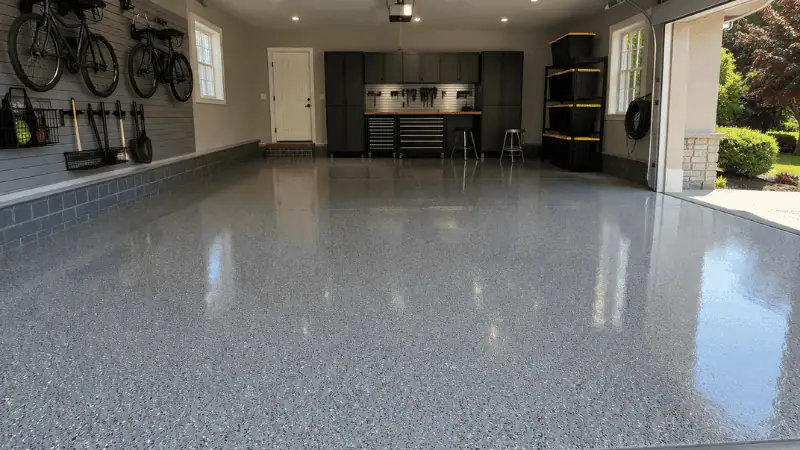
The best way to prevent peeling is to start with the slab, not the coating. A durable floor depends on correct prep, moisture evaluation, crack repair, and a system that fits the use of the space. That matters whether the floor is in a home garage, workshop, retail setting, or light commercial building.
- Make sure the concrete is mechanically prepared and fully cleaned.
- Address cracks, weak areas, and previous coating failure before recoating.
- Test for moisture issues instead of guessing.
- Use materials suited to the space and traffic level.
- Avoid installing during poor weather or unsuitable slab conditions.
- Keep the floor clean so oils and chemicals do not break down weak points over time.
In Knoxville, proper prep is especially important because garages often deal with damp seasons, tracked-in rainwater, and temperature swings that reveal weaknesses fast. Nearby areas like Farragut, Maryville, and Oak Ridge can see similar issues depending on the age of the slab and whether the floor is enclosed or exposed.
What to do if your floor is already peeling
Once a floor starts peeling, spot touch-ups are not always enough. The right fix depends on how widespread the failure is and what caused it. In some cases, a contractor may be able to remove the failed sections, repair the slab, and recoat the area. In other cases, the better solution is full grinding and replacement of the coating system.
If the underlying issue is moisture or weak concrete, applying another layer on top usually does not solve the problem for long. A proper evaluation can help determine whether the surface can be salvaged or whether a full reset is the safer long-term choice.
You can also learn more about related problems in Can you epoxy over damaged concrete? and Why epoxy bubbles or blisters.
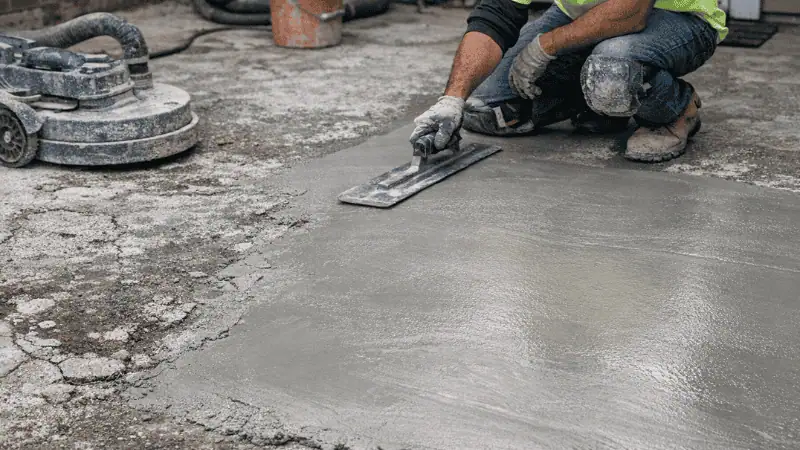
Get help before peeling spreads across the floor
If your coating is lifting, chipping, or wearing through, getting the cause identified early can save time and money. Knoxville Surface Coatings helps property owners in Knoxville, TN connect with local contractors for garage floors, concrete resurfacing, outdoor surfaces, and commercial coating projects.
Whether the issue is moisture, prep failure, old damage, or normal wear, a local evaluation can help you decide on the best next step before the floor gets worse.
Call Now or Get Free Quote to get matched with a Knoxville, TN area contractor.
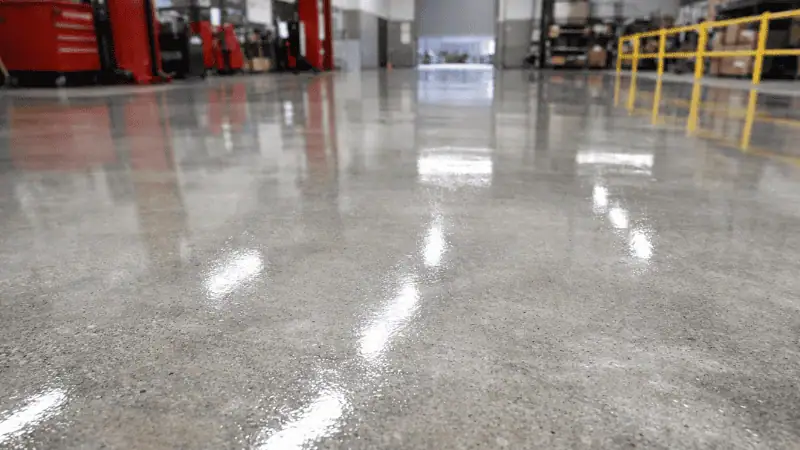
Frequently asked questions
Can peeling epoxy be repaired without replacing the whole floor?
Sometimes, yes. Small failures may be repairable, but widespread peeling often points to a bigger prep or moisture issue that requires more than a patch.
Are coated floors easier to clean?
Yes. Coated surfaces are generally easier to sweep and maintain than bare concrete.
Do you serve areas outside Knoxville?
Yes. We help connect customers in nearby areas like Farragut, Maryville, and Oak Ridge.
How do I get a quote?
Call or submit a request online to get matched with a local contractor who can provide an estimate.
Knoxville Surface Coatings is a referral service that connects customers with independent local contractors. We do not perform installation services.