Why your garage floor cracks (and what to do)
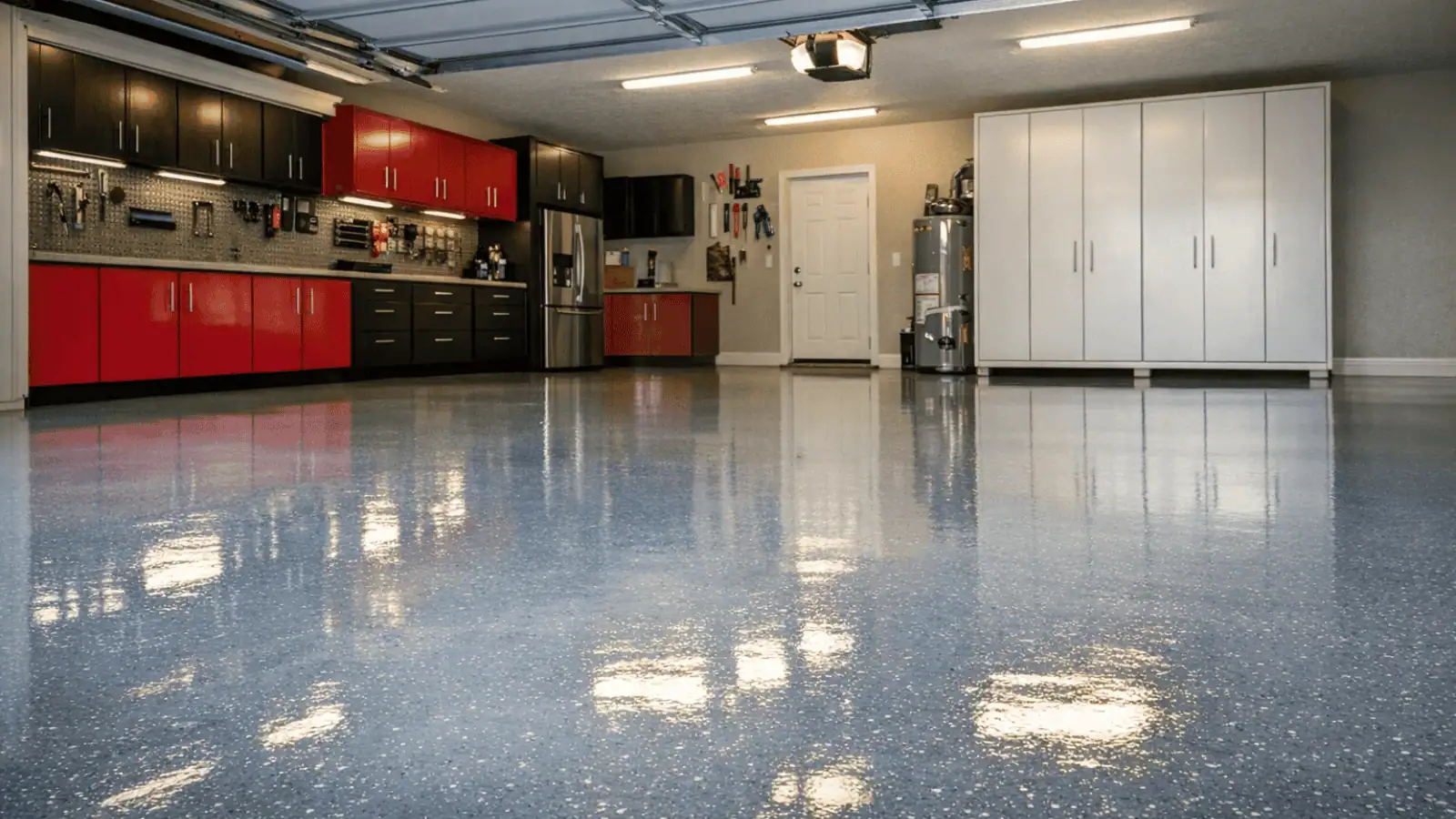
Garage floor cracks are common, but they should not be ignored. In Knoxville, TN, concrete takes a beating from moisture, temperature swings, vehicle weight, and daily wear. Some cracks are only cosmetic. Others are a sign that the slab is shifting, weak, or allowing water to get deeper into the concrete. Knowing the difference helps you decide whether you need simple repair work, surface prep, or a full coating-ready restoration.
If your garage floor is cracking, the right next step depends on the size of the crack, how deep it is, whether the edges are lifting, and whether moisture is involved. Small hairline cracks may be manageable with proper prep and filling. Wider cracks, repeated cracking, or crumbling edges usually need more attention before any coating is applied.
Why garage floors crack in Knoxville, TN
Concrete is strong, but it is not flexible. Over time, it expands, contracts, absorbs moisture, and settles. That movement creates stress. When the slab cannot handle that stress, it cracks. In garages, that process tends to speed up because of vehicle traffic, storage weight, dirt, oil, and water tracking in from outside.
In the Knoxville area, humidity and seasonal weather changes matter. Water can move into the concrete through tiny pores, then weaken the surface over time. Older slabs may also have limited reinforcement or poor base preparation underneath. When that happens, cracking becomes more likely and often gets worse year after year.
- Natural concrete shrinkage after the slab cures
- Soil movement or settling below the slab
- Heavy vehicles or concentrated storage loads
- Moisture intrusion and repeated damp conditions
- Freeze-thaw stress during colder periods
- Poor original installation or weak control joints
Common types of garage floor cracks
Not every crack means the same thing. A thin hairline crack may be mostly visual, while a wider crack with movement may point to a larger slab issue. The pattern of the crack matters just as much as the width.
Hairline cracks are usually narrow and may appear as the concrete ages. These often come from shrinkage or minor surface stress. Straight cracks near joints can be related to normal slab movement. Wider cracks that continue to spread, develop uneven edges, or allow water through are more serious and typically need repair before the floor can be improved with any long-lasting coating system.
- Hairline cracks: usually surface-level and often repairable
- Shrinkage cracks: caused by curing and age-related movement
- Settlement cracks: often caused by slab movement below
- Structural cracks: wider, deeper, and more likely to worsen
- Spalling around cracks: chipping or flaking that points to surface breakdown
Signs the crack is becoming a bigger problem
Some garage floors stay stable for years even with minor cracking. Others keep deteriorating because water, dirt, and pressure continue working into the damaged area. That is why it helps to look beyond the crack itself and pay attention to what the surrounding concrete is doing.
If the crack is widening, the edges are lifting, or parts of the slab look uneven, that is more than a cosmetic issue. If you notice flaking, crumbling, staining that keeps coming back, or moisture rising through the slab, the floor may need a more complete repair and prep strategy before it can be protected properly.
- The crack gets wider over time
- One side of the slab sits higher than the other
- The concrete is chipping along the crack line
- Water or dampness shows through after rain
- You see multiple cracks branching from one main crack
- The floor looks worn, dusty, or weak around the damaged area
What to do about a cracked garage floor
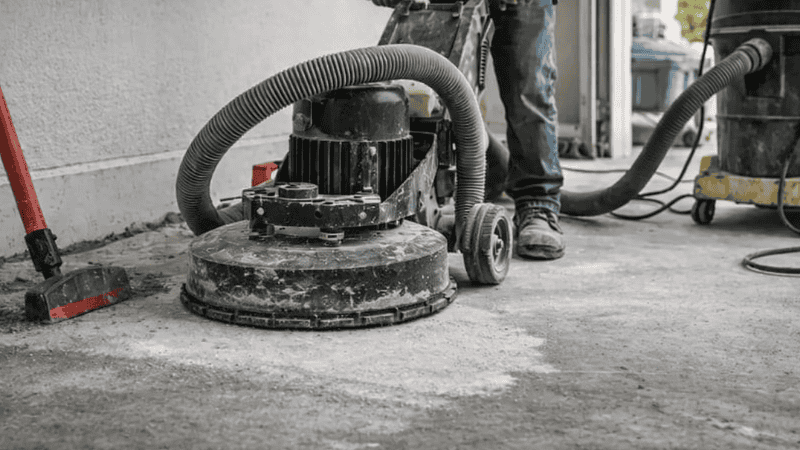
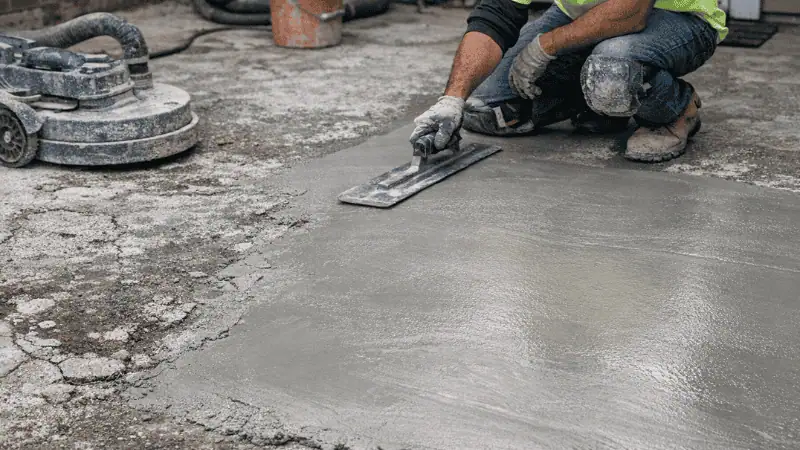
The best fix depends on the condition of the slab. Small stable cracks may only need cleaning, filling, and proper surface prep. Larger or moving cracks may need grinding, routing, patching, or resurfacing. The goal is not just to hide the crack. It is to create a stable, clean surface that can hold up under traffic and daily use.
For homeowners thinking about a future garage floor coating, crack repair is one of the most important early steps. A coating applied over an unstable or poorly repaired crack is much more likely to fail later. That is why experienced professionals focus heavily on prep, repair materials, and the overall condition of the slab before recommending the next step.
- Clean out debris, dust, and loose concrete
- Evaluate whether the crack is surface-level or moving
- Repair with the right filler or patching approach
- Grind and level the area as needed
- Address moisture issues before coating
- Consider resurfacing if the slab has widespread damage
If your floor has broader wear beyond one crack, you may also want to review options for concrete resurfacing in Knoxville. If the slab is otherwise solid and you are planning a finish upgrade later, learning about garage floor coatings in Knoxville can help you understand what kind of prep is usually required first.
Why waiting can make garage floor cracks worse
Cracks rarely improve on their own. Even when they start small, they tend to collect water, dirt, road salt residue, and oil. Over time, that weakens the surrounding area and can cause more chipping or staining. In garages, repeated tire pressure and turning movement make the problem worse.
That is especially true in homes around Farragut, Maryville, and Oak Ridge where changing weather and outdoor moisture can add stress to older slabs. What begins as a narrow crack can eventually become a repair issue that affects appearance, cleanability, and how well the floor performs long term.
When to get local help
If the crack is growing, showing movement, or part of a larger damaged area, it makes sense to get local guidance before trying to cover it up. A proper evaluation can help determine whether the slab needs basic crack repair, deeper prep work, or a larger resurfacing plan. That matters if your goal is a durable, long-lasting result instead of a temporary patch.
Knoxville Surface Coatings is locally owned and operated and helps connect homeowners with experienced professionals for garage floor repair, prep, resurfacing, and coating-related projects. Whether you are dealing with one visible crack or an older slab with multiple problem spots, getting the right recommendation early can save time and money.
Get help with garage floor cracking in Knoxville, TN
If your garage floor is cracking and you are not sure what level of repair it needs, now is a good time to act. Small issues can turn into larger prep and coating problems when they sit too long.
Call Now or Get Free Quote to get matched with a local contractor for garage floor repair or surface improvement in Knoxville, TN.
You can also visit the Epoxy Flooring Guide for more local articles, or return to the homepage to explore service options.
Frequently asked questions
Are all garage floor cracks serious?
No. Some hairline cracks are minor and mostly cosmetic. The concern increases when cracks widen, show movement, collect moisture, or start breaking apart at the edges.
Can a cracked garage floor still be coated?
Often yes, but only after the floor is repaired and properly prepared. A coating should not be applied over unstable or poorly repaired concrete if you want a durable result.
Are coated floors easier to clean?
Yes. Coated surfaces are generally easier to sweep and maintain than bare concrete.
Do you serve areas outside Knoxville?
Yes. We help connect customers in nearby areas like Farragut, Maryville, and Oak Ridge.
How do I get a quote?
Call or submit a request online to get matched with a local contractor who can provide an estimate.
Knoxville Surface Coatings is a referral service that connects customers with independent local contractors. We do not perform installation services.